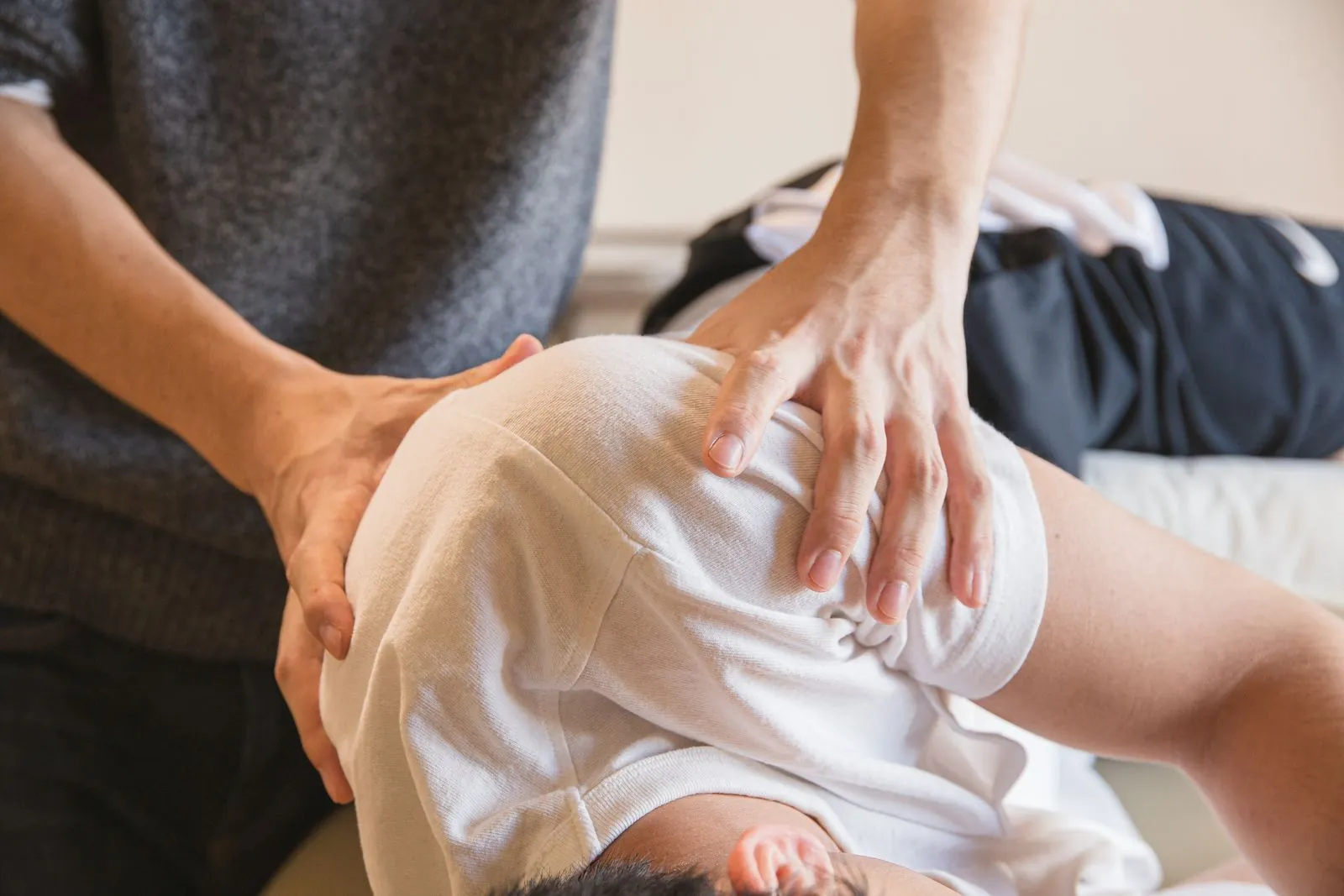
Open a massage menu and the names come at you fast: Swedish, deep tissue, sports. They sound similar, but they are different tools. Knowing how each one works makes it much easier to book the right one, and to get more out of the hour.
This guide explains what each style does, what research says about massage (and what it does not), who should check with a doctor first, and how to prepare. It is general information, not medical advice.
What massage can and cannot do
People book massage for stress, tension, soreness and pain. The research is encouraging but modest. Reviews summarised by the U.S. National Center for Complementary and Integrative Health suggest massage may give short-term relief from low back, neck and shoulder pain. The evidence is generally low quality, and long-term benefits have not been established.
It is also very good at something research struggles to measure: helping you feel calmer in your body. For many people that is reason enough. The honest summary is that massage is a useful, low-risk way to relax and ease tight muscles, not a cure for medical conditions.
The three styles side by side
| Swedish | Deep tissue | Sports | |
|---|---|---|---|
| Main aim | Relaxation and easing general tension | Releasing deep, long-held tension | Preparing for, and recovering from, activity |
| Pressure | Light to medium | Firm and slow | Varies with the goal |
| Typical techniques | Long strokes, kneading, tapping, shaking | Slow, sustained pressure; cross-fibre friction | Targeted pressure, stretching, trigger-point work |
| It feels | Soothing and flowing | Intense but bearable; tender next day | Purposeful, focused on the muscles you use |
| Often chosen by | First-timers; stressed or tired people | People with stubborn knots or desk-related tension | Runners, lifters, players and very active people |
Swedish massage: five strokes, one calming rhythm
Swedish massage was developed in the 1800s and is usually credited to Pehr Henrik Ling. Many Western massage styles trace their roots to it, which is why most therapists learn it first. A Swedish massage blends five classic strokes, always worked toward the heart:
- Effleurage: long, gliding strokes that warm the tissue and open and close the massage.
- Petrissage: kneading, where muscle is lifted, rolled and squeezed to ease tension and encourage blood flow.
- Friction: small, firm circles or cross-fibre movements, often around joints, to loosen tight spots.
- Tapotement: rhythmic tapping or cupping, used briefly and usually near the end because it is stimulating.
- Vibration: quick shaking or trembling of a muscle or limb to loosen and relax it.
Because the pressure is adjustable, Swedish works for a wide range of people: first-timers, anyone who is stressed or run down, and anyone who wants an hour of slowing down. It is the usual starting point when you are not sure what you need.
Deep tissue massage: slower, firmer, more focused
Deep tissue is not simply Swedish massage with more pressure. The pace is slower and the work is more targeted. Therapists use sustained pressure and slow strokes, often with thumbs, knuckles or forearms, to reach the deeper layers of muscle and the connective tissue around them. It is often described as working on adhesions, bands of tight, rigid tissue linked with chronic tension, although exactly how much massage changes tissue is still debated.
It tends to suit people with one stubborn area, such as the upper back and shoulders after long days at a desk, or a lower back that complains when you stand up.
Sports massage: massage with a purpose
Sports massage is defined by its goal, not by one technique. Therapists draw on Swedish and deep tissue methods and add stretching and targeted work. It is used in four main ways:
- Before activity: short and brisk, to warm up the muscles you are about to use.
- After activity: gentler, to help you wind down and ease tight, tired muscles.
- Maintenance: regular sessions during training to keep on top of tension.
- Rehabilitation: focused work around an injury, ideally alongside advice from a doctor or physiotherapist.
What does the evidence say? A 2020 review of randomised trials found that massage did not clearly improve sprinting, jumping, strength or endurance. It did show small benefits for flexibility and for delayed-onset muscle soreness, the stiffness you feel a day or two after hard exercise. The studies were small and varied, so it is best seen as a useful recovery habit that makes your body feel better, not a performance booster.

Four massage myths
- "Deeper is better." Not necessarily. Pressure that makes you tense up works against you. The right pressure is the firmest one you can relax into.
- "Massage flushes toxins." There is no good evidence for this. Your liver and kidneys handle waste. Massage can help you relax and may ease soreness, which is plenty.
- "If it did not hurt, it did not work." Soreness is not a measure of benefit. Many effective sessions are comfortable from start to finish.
- "One session will fix it." A single massage can feel wonderful, but tension that built up over months often needs a few sessions and some changes in daily habits, such as posture and movement breaks.
Before you book: when to check with a doctor
Massage is generally low risk when done by a trained therapist, but some situations call for medical advice first, or a gentler, adapted treatment. Please speak to your doctor, and tell your therapist, if any of these apply:
- You have had a blood clot (such as deep vein thrombosis), or you are at risk of one. Deep pressure can be unsafe.
- You take blood thinners or have a bleeding disorder, since bruising and bleeding are more likely.
- You have a fever, an infection or an unexplained, severe or worsening pain.
- You have had recent surgery, a fracture or an injury, or you have a condition such as severe osteoporosis.
- You have open wounds, a skin condition, or a rash in the area to be treated.
- You are pregnant, or you are living with cancer. Specially adapted massage exists for both.

Getting the most from your session
- Before: arrive a few minutes early, avoid a heavy meal, and think about what you want to feel afterwards.
- During: breathe slowly, and say so if the pressure is too light, too firm or uncomfortable. Therapists want the feedback.
- After: drink water, especially in Saint Lucia's heat, move gently, and leave a little time before your next commitment. After deep work, skip a hard workout the same day.
How often? There is no single answer. Many people book every four to six weeks as maintenance, athletes may go more often around heavy training, and others come when something flares up.
What to look for in a massage therapist
Whichever style you choose, a few signs mark a good session. The therapist is trained and can tell you about their training. They ask about your health and goals before starting. They explain what they will do, check your comfort as they go, keep you properly covered, and work in a clean room. They are honest about what massage can and cannot do, and they will not promise to cure a medical condition.
The strokes described above are also the foundation of the Swedish massage unit taught at our School of Beauty Therapy, where students practise them in small groups inside a working spa.
Frequently asked questions
What is the difference between Swedish and deep tissue massage?
Swedish massage uses long gliding strokes, kneading and light tapping to relax you and ease general tension, usually at light to medium pressure. Deep tissue uses slower, firmer, more focused pressure to work on deeper muscle layers and persistent tension. It is more than Swedish with extra pressure: the techniques and the pace are different.
Is it normal to feel sore after a massage?
Mild tenderness for a day or two is common, especially after deep tissue work. Drinking water and moving gently usually helps. Sharp pain, bruising, swelling or soreness that lasts longer than a couple of days is not normal. Tell your therapist and see a doctor if it persists.
Which massage is best for back pain?
It depends on the cause. Reviews suggest massage may give short-term relief from low back pain, although the evidence is not high quality and long-term benefits are not established. Many people with tight, knotted muscles try deep tissue, and others prefer Swedish for general stiffness and stress. If your pain is severe, ongoing, or comes with numbness or weakness, see a doctor first.
How often should I get a massage?
There is no single right schedule. Many people book every four to six weeks to keep tension under control, athletes may book more often around heavy training, and some people come only when something flares up. Your therapist can suggest a rhythm that suits you.
Does massage flush toxins out of the body?
There is no good evidence that massage flushes toxins. Your liver and kidneys do that job. Massage can help you relax and may ease muscle soreness, and those are good reasons to book on their own.
How much does a massage cost in Saint Lucia?
Prices vary by spa, treatment and length. As an example, at Soin de Beauté in Castries a Swedish back massage is EC$85, a full body Swedish massage is EC$150, and a one-hour sports rehab massage is EC$195. See the Massage & Rehab menu for current prices.
Sources
- National Center for Complementary and Integrative Health, Massage Therapy: What You Need To Know
- National Center for Complementary and Integrative Health, Massage Therapy for Health: What the Science Says
- Davis HL and others (2020), Effect of sports massage on performance and recovery: a systematic review and meta-analysis, BMJ Open Sport & Exercise Medicine
This article is for general information and is not a substitute for medical advice. If you have a health condition, speak to your doctor before booking a massage.